“Being Part of Someone Else’s Exchange” – A Decade of Volunteering with YFU
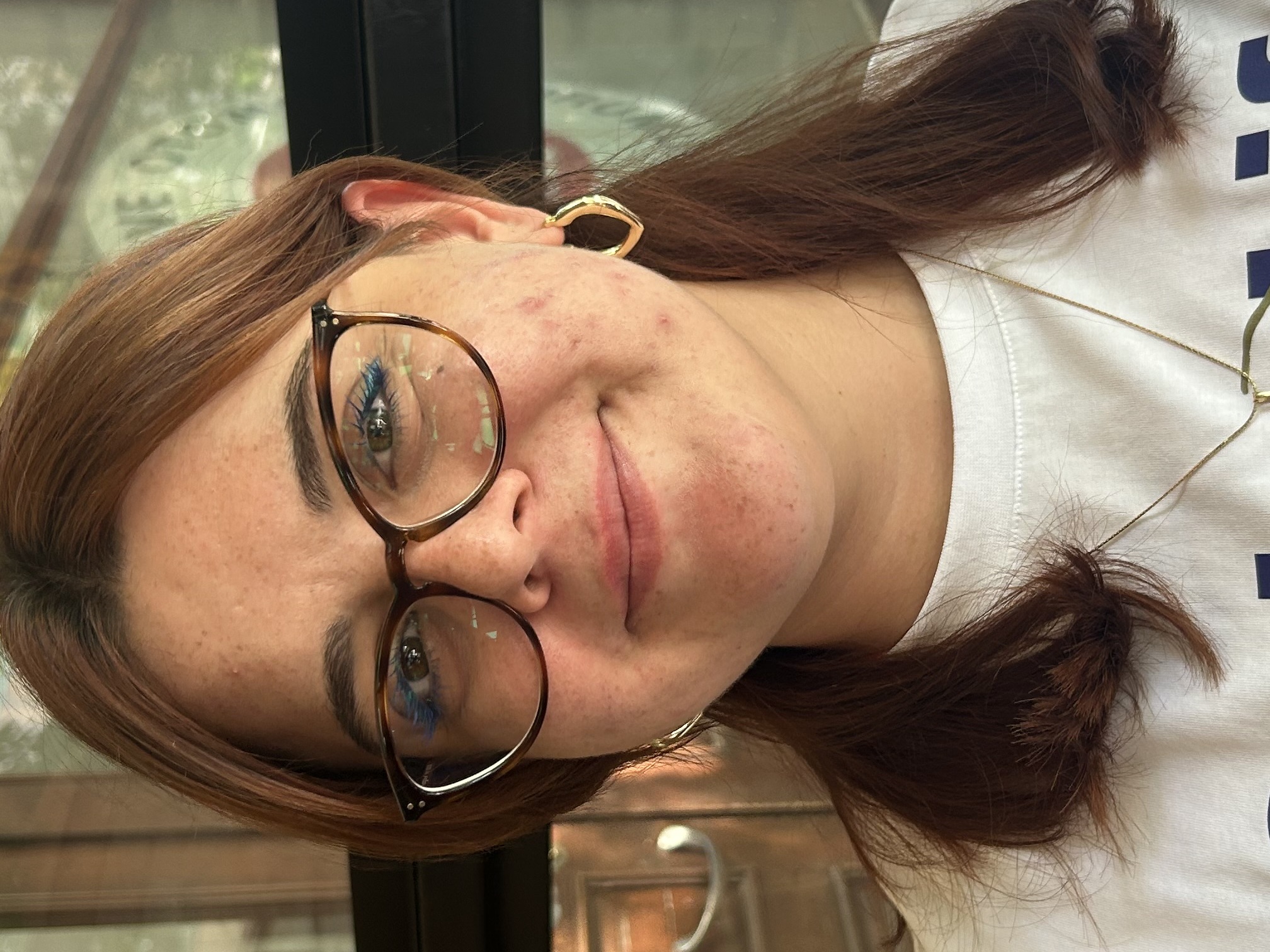
In this interview, Defne shares her experience, insights, and what keeps her motivated after a decade of volunteering.
Getting to Know Daphne
Can you introduce yourself and tell us about your volunteering journey?
My name is Defne, and I’m a volunteer from Turkey. I’ve been volunteering with YFU since 2016, so this August marks my 10th year. Over the years, I’ve been active in different areas: conducting interviews with prospective outbound students, facilitating orientation programs, and supporting inbound students.
I’ve also worked as a contact person for an exchange student, which was a wonderful experience as we met every month and built a strong connection. On top of that, I’ve contributed to the educational side of YFU by participating in training-of-trainers programs. Currently, I serve as the chair of the YFU Volunteers NGO in Turkey.
Preparing Students for Their Exchange
What is the goal of pre-departure orientations?
Pre-departure orientation is the moment when everything becomes real for the students. Many of them say, “I didn’t realize this was actually happening until now.”
The main goal is to prepare them for what’s ahead. We introduce topics like culture, identity, adaptation, culture shock, and communication. We also use case studies from past exchange students to help them understand potential challenges and how to handle them.
It’s also a space to clarify rules and expectations, which can otherwise feel overwhelming due to the amount of documentation involved. And importantly, it’s a chance for students to meet each other. They start building a support network that often continues throughout their exchange.
Interestingly, we also describe pre-departure as a kind of “simulation.” Students spend several intense days with people they don’t know, in a new environment, away from their families. For many, it’s their first exposure to non-formal education, so it already feels like a small cultural shock.
The Journey Continues Abroad
What happens when students arrive in their host country?
When students arrive, they participate in an on-arrival orientation. This is where they reconnect with the ideas introduced during pre-departure, but also adapt them to their specific host country.
They meet other exchange students who are going through similar experiences, which helps create a sense of belonging. They also meet local volunteers, who become part of their support system.
At YFU, we follow a structured framework of learning objectives, so each orientation builds on the previous one. On-arrival sessions revisit earlier topics but also focus on country-specific cultural norms, communication styles, and real-life situations students might face.
In a way, it’s the continuation and deepening of what started before departure.
Ongoing Support: The Role of Contact Persons
How are students supported during their exchange?
Throughout the exchange, students are supported by contact persons, usually one or two volunteers who stay in regular contact with them.
In my experience, we created a WhatsApp group with the student so she could easily reach out with everyday questions like where to buy a SIM card. We also met monthly, usually after school, to talk about how things were going.
We didn’t just discuss challenges, we also celebrated progress. Over time, we even started practicing Turkish together.
As contact persons, we also report back to the YFU office, sharing updates on the student’s well-being, their relationship with the host family, and their overall progress. There’s also a separate contact person for the host family, which helps maintain trust and balance.
If any issues arise, there’s a structured system to address them, starting with volunteers and, if necessary, involving the office and both parties in a joint discussion.
Training Volunteers for Impact
How are volunteers prepared for these responsibilities?
In Turkey, we organize volunteer camps where former exchange students and new volunteers are trained. These include sessions on what it means to be a volunteer, how YFU works, and practical skills like conducting interviews or supporting students.
We also offer training-of-trainers programs focused on non-formal education. These help volunteers understand how to facilitate sessions, manage group dynamics, and respond to sensitive situations.
For contact persons specifically, we provide manuals and recorded training materials created by experienced volunteers. And of course, there’s always support from the YFU office and volunteers are never alone in this process.
The Transformation of Exchange Students
What changes do you see in students over the course of their exchange?
The transformation is remarkable.
At pre-departure, many students are hesitant to speak up as they’re afraid of being judged. But when they return, they are much more confident. They know how to express themselves, stand by their ideas, and communicate effectively.
They become more self-aware and resilient. Even if they still face challenges, they’re not afraid to deal with them anymore.
A Decade of Motivation
What has kept you volunteering for 10 years?
I actually never did an exchange myself. That’s why I became a volunteer, because I wanted to be part of other people’s exchange experiences.
Over the years, I realized that supporting many students has given me a different kind of journey. I’ve learned about cultures, perspectives, and realities from all over the world.
What motivates me most is seeing that you can make a meaningful impact without any material gain. Supporting someone, being there for them, matters.
And of course, the community is a huge part of it. YFU has given me a sense of belonging that keeps me coming back.
Final Thoughts
Defne’s story is a testament to the power of volunteering. While exchange programs transform students, they also shape the people behind the scenes - the volunteers who guide, support, and inspire them every step of the way.
As Defne puts it: sometimes, being part of someone else’s exchange can be just as transformative as having one of your own.